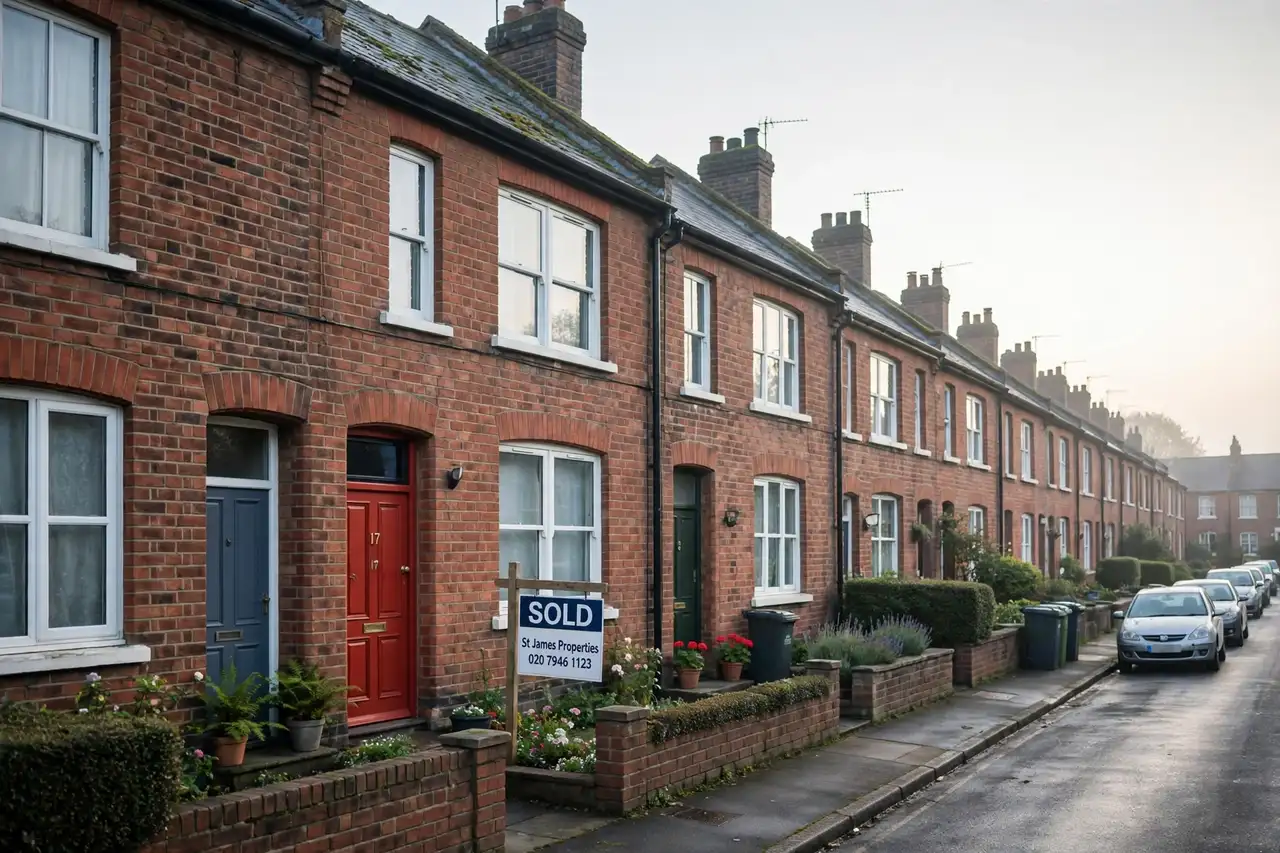


Most buyers fixate on the deposit. It is the biggest single amount, so that makes sense, but first-time buyer costs in the UK run well beyond it. Legal fees, surveys, taxes and moving bills land in the same few months, and buyers who have not budgeted for them end up stretched at exactly the wrong moment.
This guide walks through the full bill, line by line, so you can work out what your first home really costs before you make an offer.
Stamp Duty, and the Relief That Helps
Stamp Duty Land Tax applies in England and Northern Ireland. First-time buyers get relief: you pay no tax on the first £300,000 of a home costing up to £500,000, then five per cent on the slice between £300,001 and £500,000.
On a £350,000 home, that means tax of £2,500 rather than the standard bill. Buy above £500,000 and the relief disappears completely, so the standard rates apply to the whole price.
Scotland and Wales run their own taxes with different thresholds. Check the rules where you are buying before you rely on any figure in a headline.
Legal Fees and Searches
You need a solicitor or licensed conveyancer to handle the legal transfer. For a first purchase, expect to pay somewhere between £1,000 and £2,000 including VAT, depending on the property and the firm.
On top of the fee itself come disbursements, the costs your solicitor pays on your behalf. Local authority searches, drainage searches and the Land Registry fee usually add £300 to £500. Ask for a full written quote that separates the firm’s fee from disbursements, so there are no surprises later.
Leasehold flats cost more to buy than freehold houses. Extra work on the lease, management packs and service charge checks all add time and money, so budget toward the top of the range.
Surveys, and Why the Cheapest One Can Cost You
Your mortgage lender will do a valuation, but that protects the lender, not you. A homebuyer survey, usually £400 to £700, looks at the condition of the building and flags problems such as damp, roof wear and old wiring.
Consider Tom and Ellie, who bought a £240,000 terrace in Sheffield last year. Their survey spotted penetrating damp behind the kitchen units that a viewing would never have shown. The seller agreed to knock £3,000 off the price, which paid for the repair and the survey several times over.
Older or unusual properties deserve a full building survey. It costs more, often £800 and up, but it is the only report that goes into real depth.
Mortgage Fees and the Valuation
Many mortgage deals carry a product fee, commonly £999, which you can add to the loan or pay up front. Adding it costs more in the long run because you pay interest on it for the full term.
There may also be a booking fee, a valuation fee on some products, and a small charge for the electronic transfer of funds on completion day. None of these is huge alone, but together they can add £1,200 or more to your moving budget.
If you are self-employed, allow extra time rather than extra money. Lenders usually want two or three years of tax records, and our guides to business taxes in the UK and small business opportunities in the UK explain the paperwork side of running your own show.
Moving Day and the First Month
Removal costs range from under £100 for a borrowed van and willing friends to £800 or more for a professional firm packing and moving a full house. Get two or three quotes, and book early if you are completing on a Friday, the busiest day of the week.
Then comes the first month in the property. Buildings insurance must start on exchange day, not completion. You may need curtains, a fridge, basic furniture and small repairs straight away, and the first council tax and utility bills arrive before you have settled in.
A sensible rule is to keep a buffer of £1,000 to £2,000 after completion for these costs. Buyers who spend every last pound on the deposit have nothing left when the boiler turns out to be older than the house.
Flats and New Builds Carry Extras
Leasehold purchases come with costs that freehold buyers never see. You may pay a notice fee to the freeholder, a deed of covenant fee, and charges for the management pack that your solicitor needs. Together these commonly add £200 to £500.
Service charges and ground rent start from completion day too, and some developments bill them quarterly in advance. Ask for the current figures early, because a high service charge affects both your monthly budget and how easy the flat is to sell later.
New builds have their own list. Developers often ask for a reservation fee of £500 to £2,000, which usually comes off the price at completion but is lost if you walk away. Budget as well for snagging repairs and the small army of curtains, blinds and appliances that a brand new home does not include.
Understanding the Money Side
A first home is likely the largest asset you will own for years. If the language of money is new to you, our explainers on what a financial asset is, what corporate finance means and the accounting and finance definition build the basics in plain English.
None of this is about putting you off. It is about walking in with a number that covers the whole purchase, not just the part the mortgage broker talks about.
How to Keep the Bill Down
A few habits keep these costs under control. Get three conveyancing quotes and compare the full price including disbursements, not the headline fee. Some firms advertise a low fee, then add charges for every letter and phone call.
Ask your mortgage broker whether a fee-free deal with a slightly higher rate works out cheaper over the fixed term. On a small mortgage, it often does. The right answer depends on the size of your loan, so run the numbers for your own case.
Finally, overlap your notice period with your completion date if you rent. Paying a month of rent and a month of mortgage at the same time is one of the most common and most avoidable first-buyer costs.
Adding It All Up
On a typical £250,000 first home, the extras beyond the deposit often come to £3,000 to £5,000 once legal fees, searches, a survey, mortgage fees and moving costs are counted. Add that figure to your deposit target from day one. Your future self, sitting in a home with working heating and money still in the bank, will thank you for it.