

Choosing between different beauty brands can be difficult when the UK market offers such a wide range of makeup, skincare, haircare and personal-care products. Established companies compete alongside independent labels and newer names, while social media constantly introduces consumers to unfamiliar products.
For shoppers, this variety creates more choice but can also make purchasing decisions more complicated. A brand may stand out because of its packaging, product range, price, online reputation or association with a particular beauty trend. However, a strong visual identity does not automatically mean that every product will suit every customer.
The most useful approach is to look beyond popularity and consider what a brand actually offers, who its products are designed for and whether the retailer provides enough information to make an informed decision.
What Makes Beauty Brands Stand Out?
Successful beauty brands usually have a clear reason for existing. Some focus on a particular category, such as skincare or makeup, while others build a broader range covering several areas of personal care.
Brand identity can also play an important role. Packaging, colours, product names, photography and tone of voice can make a company recognisable in a crowded market. However, effective branding should support the product rather than replace substance.
Consumers may also become loyal to brands because they consistently deliver products that fit their needs. If a customer finds a foundation shade, moisturiser or cleanser that works well for them, familiarity can become an important factor in future purchases.
How to Compare Beauty Brands Before Buying
Comparing brands is easier when you establish a few practical criteria. Instead of choosing a product because it is currently popular, consider whether it fits your personal requirements.
- Product purpose: Understand exactly what the product is designed to do.
- Ingredients: Review the ingredient information and consider any known sensitivities.
- Price: Compare the cost with the product size and intended frequency of use.
- Brand positioning: Consider whether the brand focuses on affordability, premium beauty, specialist products or another segment.
- Reviews: Look for useful reviews that provide context rather than relying on ratings alone.
- Availability: Check whether products are easy to purchase from reputable UK retailers.
- Product information: Look for clear packaging, usage instructions and relevant safety information.
In Great Britain, cosmetic products are subject to safety and labelling requirements. Government guidance states that cosmetics must be safe and that consumers should be able to find important information such as ingredients, precautions, product identification and Responsible Person details.
Moon Beauty and the Appeal of Emerging Labels
Searches for names such as Moon Beauty illustrate how consumers increasingly encounter smaller or more specialised beauty labels alongside established companies.
Emerging brands can attract attention by focusing on a particular aesthetic, product category or customer group. They may also build awareness through social media, creator partnerships and community-led marketing.
For shoppers, discovering a smaller brand can be rewarding, but research remains important. Check who sells the product, whether the product information is clear and whether the brand provides appropriate details about its products.
Newer companies can also benefit from being more focused. Rather than competing with large companies across dozens of categories, an independent label can concentrate on a smaller range and develop a distinctive identity around it.
Kem Beauty and Specialist Beauty Positioning
Brand searches such as Kem Beauty demonstrate another aspect of modern beauty discovery: consumers often search directly for unfamiliar names after seeing them elsewhere.
When researching a lesser-known label, shoppers should consider the same fundamentals they would apply to a larger company. Look at the products, ingredients, retailer information, reviews and claims made by the brand.
This is especially important when purchasing cosmetics online. A polished website or social-media profile can create a strong first impression, but customers should still look for complete product information before making a purchase.
Exodus Beauty and Brand Discovery Online
Exodus Beauty is another example of the type of brand-related search that can appear as consumers explore the wider beauty landscape.
Brand discovery increasingly happens outside traditional beauty stores. A customer might see a product in a video, encounter a recommendation from a creator or discover a new label through an editorial article before searching for it directly.
This makes online brand information particularly important. Beauty companies need to communicate what their products are, who they are intended for and where consumers can buy them.
For publishers, this also creates an opportunity to build useful resources around beauty retail trends and explain why particular types of brands are gaining consumer attention.
Amazonas Beauty and International Product Discovery
Consumers are increasingly comfortable exploring beauty products with international influences. Searches for names such as Amazonas Beauty reflect the broader way shoppers can encounter brands from different markets.
International beauty can introduce consumers to unfamiliar ingredients, product formats, colours, fragrances and beauty routines. However, UK shoppers should make sure products are being sold through appropriate channels and provide the information expected for products available in Great Britain.
Government guidance recommends checking who you are buying from and being cautious when product information is missing, unclear or does not provide a named Responsible Person where required.
Bims Beauty and the Growth of Brand-Led Searches
Searches for smaller names such as Bims Beauty show how consumers can move from broad product research to highly specific brand searches.
Once a shopper becomes interested in a particular brand, the search intent changes. They may want to find an official retailer, compare prices, read reviews, investigate a specific product or learn more about the company.
For that reason, beauty websites should provide clear brand information rather than assuming consumers only need product pages. A well-organised website can help users move from brand discovery to informed product selection.
Mahrosh Beauty and the Importance of Brand Information
When consumers search for a name such as Mahrosh Beauty, they may already have encountered the brand elsewhere. At this stage, clarity becomes particularly important.
A strong beauty brand presence should make basic information easy to find. Customers should be able to understand the product range, intended use, purchasing options and relevant policies without having to search through multiple unrelated pages.
This is one reason that good beauty branding needs to work alongside good digital communication. Visual identity may attract attention, but useful information helps turn attention into informed interest.
The Beautiful Co and Independent Beauty Businesses
Names such as The Beautiful Co highlight how independent beauty businesses can use brand identity to create a distinctive position.
Smaller companies often have an opportunity to communicate directly with customers and develop a more personal identity. Their websites, packaging and social content can all reinforce a particular aesthetic or philosophy.
However, independent status should not be treated as a guarantee of product quality. Consumers should still evaluate products based on their individual needs and the information available.
Cute Beauty and the Role of Visual Branding
Cute Beauty is an example of a name that immediately suggests a visual positioning. Names, packaging and imagery can influence how consumers perceive a product before they have tried it.
Visual branding can be especially powerful in cosmetics because makeup and skincare products are frequently displayed and shared online. Attractive packaging can encourage clicks, shares and product discovery.
Yet successful beauty branding ultimately needs to connect with the product experience. If packaging creates expectations that the product does not meet, customers may quickly lose confidence in the brand.
Beauty Babe, Beauty B and Other Brand Searches
Search terms such as Beauty Babe, Beauty B and B Beauty demonstrate the challenge of navigating a market where many companies use short, memorable names.
For consumers, brand names can sometimes be difficult to distinguish. Similar naming styles can make it important to check the exact company, product and retailer before purchasing.
For beauty businesses, this is a reminder that distinctive branding matters. A memorable name should ideally be supported by a clear visual identity and an online presence that makes the company easy to identify.
Why Beauty Branding Matters in a Crowded Market
Beauty branding can help consumers understand what a company stands for. In a crowded marketplace, a consistent identity can make a new label easier to remember.
Strong branding often combines several elements:
- A recognisable visual identity.
- A clear target audience.
- Consistent product presentation.
- A distinctive tone of voice.
- A clear explanation of the brand proposition.
- Consistent messaging across retail and digital channels.
However, branding should not make unsupported claims about what a product can achieve. UK guidance states that cosmetic labelling and advertising must not imply characteristics or functions that the product does not have.
How Beauty Brands Build Consumer Trust
Trust is particularly important in beauty because products are commonly used directly on the body. Consumers want to know what they are buying and how it should be used.
Clear product information can therefore be an important competitive advantage. Packaging should communicate relevant details in an accessible way, while online retailers should make product information easy to find.
For products available in Great Britain, the Responsible Person has important obligations relating to safety, product information, notification and claims. Before a cosmetic product is placed on the GB market, its safety must be assessed by an appropriately qualified professional.
Beauty Brands and Product Reviews
Reviews can help consumers understand how a product performs in everyday situations. However, the most useful reviews provide context.
A good review might discuss texture, application, packaging, wear, scent or suitability for a particular type of user. A simple statement that a product is “amazing” gives much less useful information.
Consumers should also remember that personal experience varies. A skincare product that works well for one person may not suit another, and makeup performance can depend on application technique and individual preferences.
How to Discover New Beauty Brands Safely
Trying a new brand does not have to be complicated. A few simple checks can make the process more reliable.
Check the Product Information
Look for clear details about the product, including what it is intended to do, how it should be used and relevant ingredients or precautions.
Check the Seller
If you are buying online, investigate the retailer as well as the brand. A reputable seller should provide clear business and customer-service information.
Compare Reviews
Do not rely on one review or one social-media post. Compare several sources and look for consistent observations.
Understand the Product Claims
Be cautious of exaggerated promises. Cosmetic products should be marketed accurately, and consumers should be able to distinguish ordinary cosmetic benefits from claims that suggest something more substantial.
Beauty Brands and the UK Retail Landscape
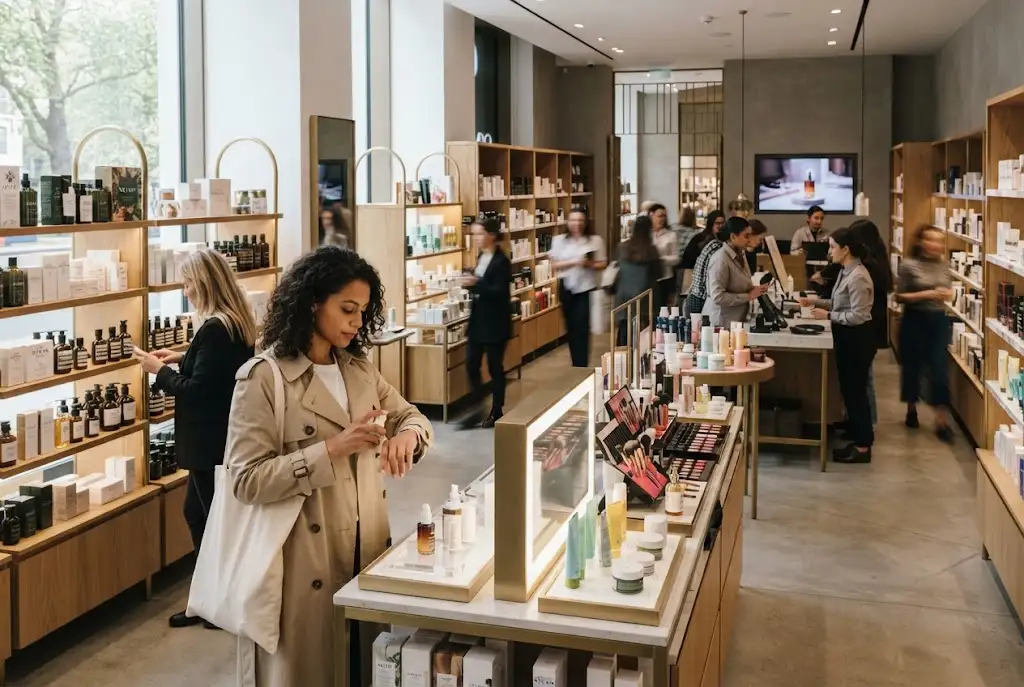
The growing number of beauty brands has changed the role of retailers. Shops now need to curate their ranges carefully because consumers can access thousands of products online.
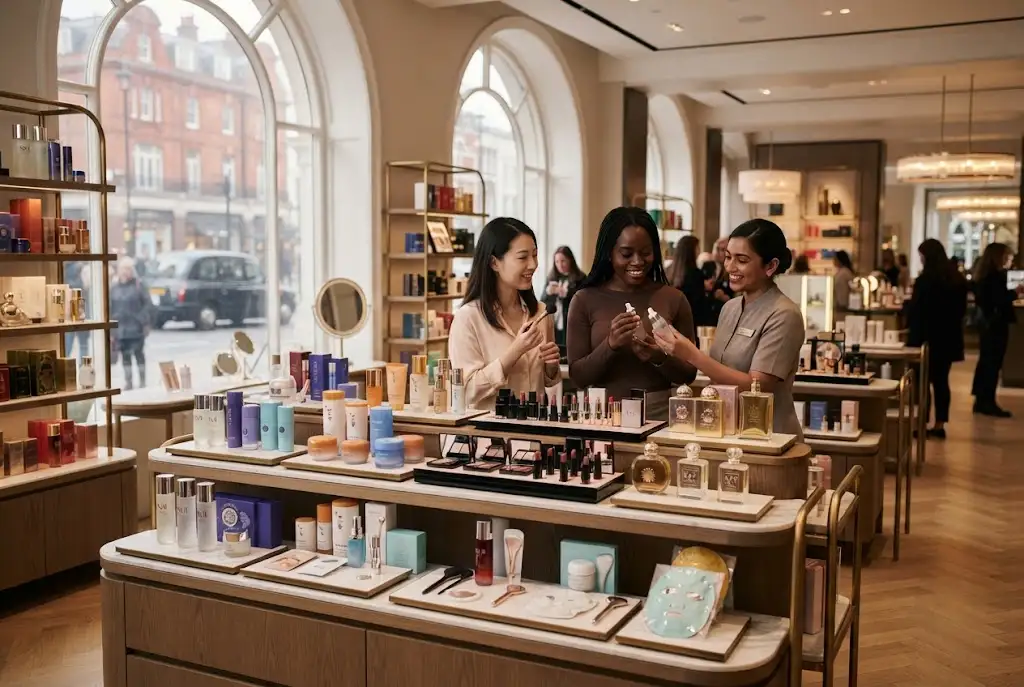
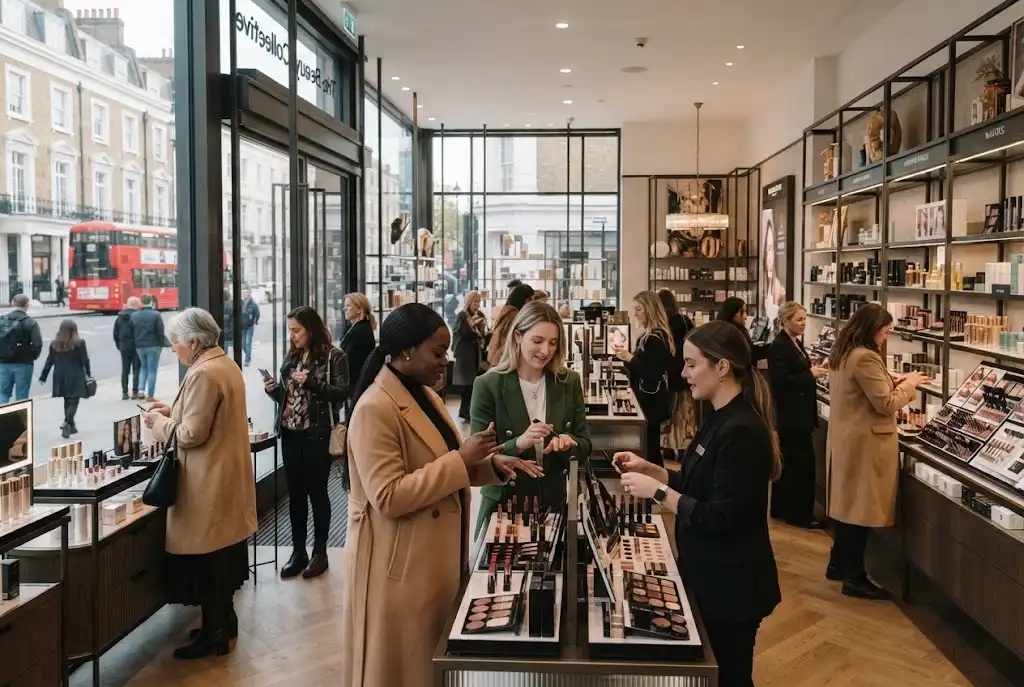
A retailer can differentiate itself by offering expert advice, exclusive products, strong customer service or a carefully selected range. Physical stores also provide an opportunity for customers to see, test and compare products before purchasing where appropriate.
This connects directly with the wider topic of beauty shops London, where consumers can encounter established companies, independent retailers and specialist beauty destinations.
Choosing Between Established and Emerging Beauty Brands
There is no universal answer to whether an established or emerging brand is better. Both can offer useful products, and the right choice depends on the individual shopper.
Established brands may provide familiarity, extensive distribution and a longer history in the market. Emerging companies may offer more specialised ranges, distinctive concepts or new approaches to product development.
The best approach is to evaluate the individual product rather than assuming that the size or popularity of the brand determines its suitability.
The Future of Beauty Brands in the UK
The UK beauty market is likely to continue becoming more diverse. Consumers can discover brands through physical stores, search engines, social platforms, creators, online communities and international retail channels.
This creates opportunities for smaller companies to reach customers without building a nationwide physical retail network. At the same time, established companies must continue adapting to changing expectations around discovery, value and customer experience.
Digital visibility will remain important, but product quality and customer trust will continue to underpin long-term brand success.
Final Thoughts on Beauty Brands
Beauty brands now occupy a diverse and highly competitive UK market, ranging from major established companies to independent and emerging labels. Names such as Moon Beauty, Kem Beauty, Exodus Beauty, Amazonas Beauty, Bims Beauty, Mahrosh Beauty, The Beautiful Co, Cute Beauty, Beauty Babe, Beauty B and B Beauty demonstrate the variety of brand-led searches consumers can encounter.
For shoppers, the most reliable approach is to look beyond popularity and packaging. Check product information, understand the intended use, compare reviews and buy through reputable channels.
For businesses, the opportunity lies in creating a distinctive identity while maintaining clear, accurate and useful product information. Strong branding can attract attention, but trust, product quality and customer experience are what can turn that attention into lasting loyalty.