

Beauty retail trends are changing how consumers discover, compare and purchase cosmetics, skincare, fragrance and other personal-care products across the UK. Beauty shopping is no longer limited to choosing products from a traditional high-street shelf. Consumers can move between physical stores, online retailers, social platforms and specialist beauty destinations before deciding what to buy.
This changing behaviour is creating a more competitive and experience-focused market. Retailers need to make products easy to discover while giving shoppers good reasons to visit a physical store or return to a digital platform. At the same time, consumers have more opportunities to explore established brands, emerging labels, discounts and international beauty influences.
Why Beauty Retail Trends Matter to UK Consumers
Retail trends matter because they affect the way people shop. A customer looking for a new foundation, cleanser or fragrance may now research reviews online, watch a demonstration, compare prices and then visit a store to see the product in person.
This combination of digital research and physical shopping means retailers are increasingly expected to provide more than products. Customers want useful information, convenient purchasing options and experiences that help them make confident decisions.
The wider UK beauty market also continues to attract new brands and retail concepts. As a result, shoppers have greater choice than before, but they may also need more guidance when comparing unfamiliar products.
Beauty Retail Trends Are Moving Towards Discovery
One of the clearest developments in modern beauty retail is the growing importance of discovery. Consumers do not always visit a beauty retailer knowing exactly what they want. Sometimes they want to browse, learn about new products and find something that fits their preferences.
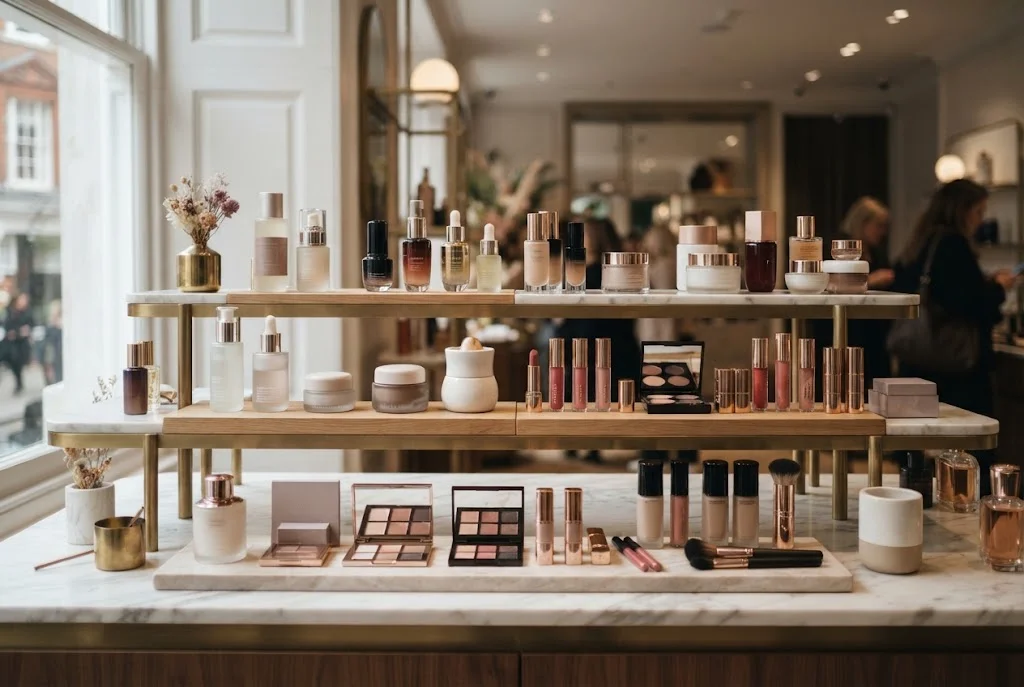
This is changing store layouts and merchandising. Instead of presenting products purely by brand, retailers can create spaces around categories, routines, trends or specific beauty needs.
Discovery can also be digital. Search engines, social media, beauty publications and creator content can introduce shoppers to brands before they ever enter a store.
Why Product Discovery Matters
Discovery helps consumers navigate an increasingly crowded market. A well-organised retailer can make it easier to compare products by price, formulation, shade, finish, ingredients or intended use.
For publishers, discovery-focused content also creates opportunities to connect related subjects. Guides about beauty brands, for example, can help readers understand the companies behind the products they encounter in stores.
Branded Beauty Reviews Influence Purchasing Decisions
Branded beauty reviews have become an important part of the product research journey. Consumers often want to know how a product performs before committing to a purchase, particularly when buying a premium item.
Reviews can provide practical information about texture, application, packaging, wear, scent or general usability. However, shoppers should consider the source and context of every review.
A product review is most useful when it explains who the product may suit rather than simply declaring that it is good or bad. Beauty products are personal, and results can vary according to skin type, preferences, technique and expectations.
What Makes a Useful Beauty Review?
A strong review should provide enough context for the reader to decide whether further research is worthwhile. Relevant details can include the product category, intended audience, key features, price positioning and practical experience.
Retailers can also benefit from displaying helpful customer feedback alongside professional product information. Together, these sources can make product discovery easier without replacing the need for consumers to make their own decisions.
Beauty Branding Is Becoming More Distinctive
Beauty branding has become increasingly important as new companies enter an already crowded market. Packaging, visual identity, product naming and brand storytelling can all influence how consumers perceive a beauty product.
However, strong branding is about more than attractive packaging. Consumers also want to understand what a brand represents and why its products are different.
Clear positioning can help a company stand apart. A brand might focus on accessible pricing, specialist formulations, sustainability, a particular beauty culture or a specific product category.
This is particularly relevant for emerging brands trying to compete with established names. When consumers can understand a brand’s purpose quickly, they may be more likely to investigate its products.
Beauty Bargains Remain Important
Despite the growing premium beauty market, beauty bargains remain highly relevant to UK shoppers. Consumers increasingly compare prices and look for promotions before purchasing, particularly when several retailers sell similar products.
Discounts can take different forms. Retailers may use seasonal promotions, multi-buy offers, loyalty rewards, clearance ranges or outlet-style pricing. However, shoppers should always compare the final price and product size rather than judging an offer by the advertised percentage alone.
Value is also broader than a low price. A product that performs consistently and lasts longer may provide better value than a cheaper alternative that needs to be replaced frequently.
Beauty Retailers Are Combining Physical and Digital Shopping
Modern beauty shopping often moves between online and offline channels. A consumer may discover a product through a social platform, research it on a retailer’s website and then visit a store to test it.
Alternatively, someone may see a product in a physical shop and later purchase it online after comparing prices. Retailers therefore need their digital and physical experiences to work together rather than treating them as completely separate channels.
Accurate product information, clear availability, easy navigation and convenient collection or delivery options can all support this journey.
In-Store Experience Is Becoming More Valuable
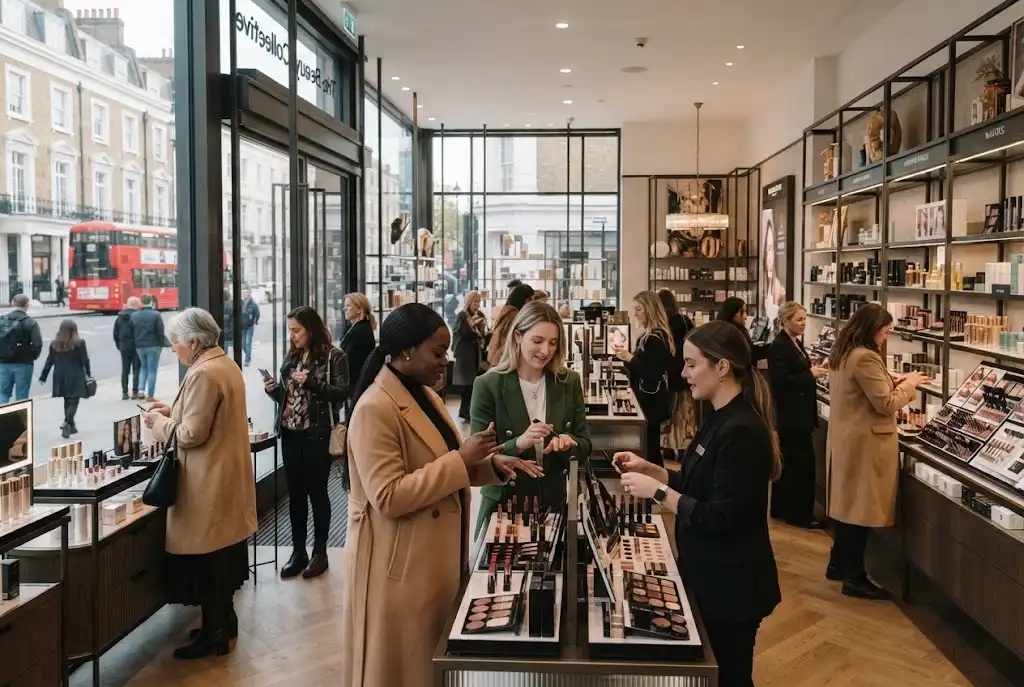
Physical beauty stores still have an important advantage: they allow customers to experience products directly. Depending on the retailer, shoppers may be able to explore textures, shades, fragrances and packaging in ways that are difficult to replicate online.
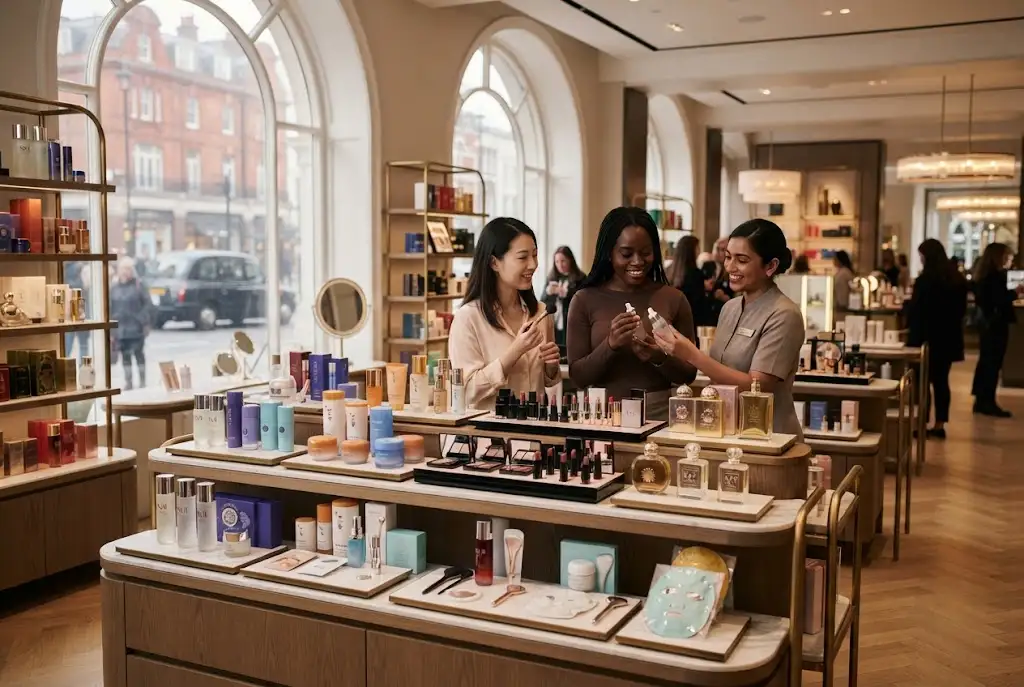
Some retailers are therefore turning stores into destinations rather than simple points of sale. Consultations, demonstrations, personalised recommendations and interactive displays can give consumers additional reasons to visit.
This experience-led approach is especially relevant for products where sensory evaluation influences purchasing decisions.
The Influence of Social Media on Beauty Retail
Social media has shortened the distance between beauty discovery and purchasing. A new product can become widely known through creator content, tutorials or customer posts before traditional advertising has reached the same audience.
This has created both opportunities and challenges for retailers. Trending products can attract rapid attention, but demand may also change quickly.
Retailers need to distinguish between temporary social-media popularity and sustainable consumer interest. A product can generate enormous attention without becoming a long-term category leader.
International Beauty Is Expanding Consumer Choice
Global beauty influences are also reshaping UK retail. Consumers can now encounter products and routines from many different markets through specialist retailers, online stores and social platforms.
Interest in international beauty can introduce shoppers to unfamiliar ingredients, formulations and approaches to makeup or skincare. It also gives retailers opportunities to differentiate their ranges.
This internationalisation connects closely with international beauty keywords, because consumers may use different terms when searching for products and trends associated with particular beauty markets.
The Rise of Specialist Beauty Retail
Specialist retailers can compete with large general stores by offering depth rather than simply breadth. A specialist makeup shop, skincare retailer or fragrance destination can create a more focused experience for customers who already have a strong interest in a particular category.
Specialist stores can also become useful discovery points for emerging brands. When a retailer curates its selection carefully, shoppers may trust it as a source of recommendations rather than viewing it only as another place to buy products.
Beauty Retail Trends and Emerging Brands
New beauty companies continue to enter the market with different approaches to product development, branding and customer engagement. Some concentrate on a small number of hero products, while others build broader collections.
Searches for terms such as cult UK, girl cult, LF beauty, not beauty and other emerging or brand-related phrases demonstrate how fragmented beauty discovery can become as consumers encounter new names.
Retailers do not necessarily need to stock every emerging label. Instead, they can focus on brands that complement their target audience and create a distinctive product selection.
Value, Convenience and Choice Are Working Together
The modern beauty shopper is balancing several priorities at once. Price remains important, but convenience, product choice, trust and experience also influence purchasing decisions.
This means a successful beauty retailer does not necessarily have to compete only on price. It can compete through expert advice, product curation, exclusive ranges, convenient locations, strong digital services or a distinctive brand experience.
The same principle applies to online retailers. A website that offers clear product information, useful filters, authentic reviews and a straightforward checkout can make the purchasing journey easier even without a physical location.
How Beauty Retailers Can Respond to Changing Trends
Retailers looking to remain competitive can focus on several practical areas.
- Improve product discovery: Organise products around genuine customer needs rather than relying only on brand names.
- Strengthen product information: Provide clear descriptions, usage guidance and relevant details.
- Build useful reviews: Encourage customers to share practical experiences rather than one-word ratings.
- Use digital content: Create guides and educational resources that answer common beauty questions.
- Make stores experiential: Give customers reasons to visit beyond simply purchasing an item.
- Monitor emerging brands: Watch consumer interest without chasing every short-lived trend.
- Offer genuine value: Use promotions strategically while maintaining transparent pricing.
These measures can support a more balanced retail strategy in which product, content and customer experience reinforce each other.
Beauty Retail Trends and the Future of UK Beauty Shopping
The UK beauty market is likely to remain highly competitive as consumers gain access to more brands and purchasing channels. The retailers that stand out will not necessarily be those with the largest number of products. Instead, relevance and customer experience are likely to become increasingly important.
Discovery will remain central. Consumers want to find products that suit their individual preferences, while brands want efficient ways to communicate why their products deserve attention.
Technology will continue to support that process, but physical retail will remain valuable where customers benefit from expert advice and direct product interaction. The strongest businesses are therefore likely to connect digital convenience with physical experience rather than choosing one over the other.
Final Thoughts on Beauty Retail Trends
Beauty retail trends show that UK beauty shopping is becoming more diverse, connected and experience-driven. Consumers can research products online, discover brands through social media, compare prices across retailers and visit specialist stores before making a purchase.
At the same time, traditional factors such as value, trust, product quality and helpful service remain important. Retailers that combine these fundamentals with strong discovery experiences can create more useful shopping journeys.
For consumers, the changing market provides greater choice. For beauty businesses, it creates an opportunity to build distinctive brands, improve customer experiences and develop stronger relationships with shoppers across both physical and digital channels.