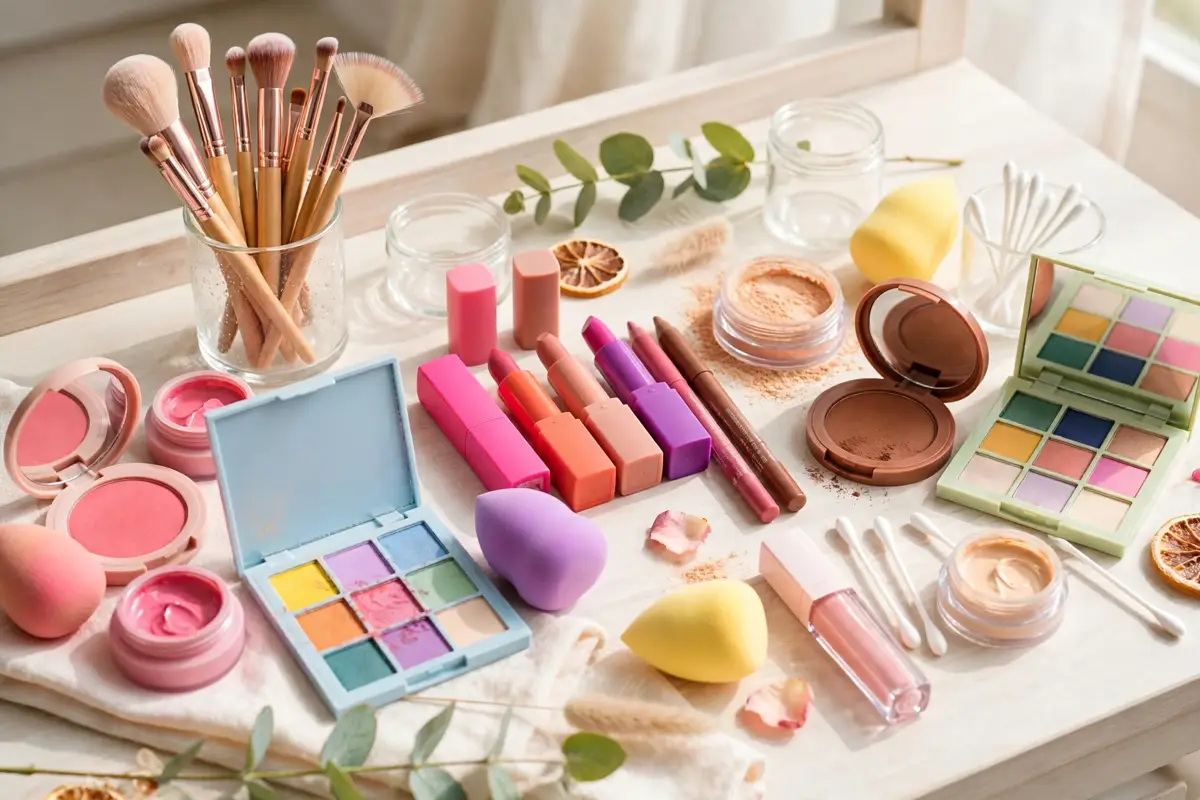


Sustainable beauty has moved from a niche interest to a mainstream concern. Shoppers increasingly want products that are kind to skin, honest about their ingredients, and lighter on the planet. But the beauty industry is also full of vague green claims, and it can be hard to tell genuine progress from marketing. This guide explains what sustainable beauty really means, how to judge products and brands, and how to build a routine that is both effective and responsible.
What Does Sustainable Beauty Mean?
Sustainable beauty is not a single product or a single label. It covers the whole life of a product: how its ingredients are grown or made, how much water and energy production uses, what the packaging is made of, how far it travels, and what happens to it after use. A truly sustainable product considers all of those stages, not just one attractive feature.
Ingredients are the starting point. Naturally derived ingredients, such as plant oils, butters and botanical extracts, are often part of sustainable ranges, but natural does not automatically mean sustainable. An ingredient can be natural and still be harvested in a way that damages ecosystems, or processed with heavy chemical use. What matters is sourcing: whether ingredients are traceable, grown or harvested responsibly, and used at concentrations that make sense for the product.
Biodegradability matters too. Products that are rinsed off, such as cleansers and shampoos, end up in water systems. Formulas designed to break down safely are kinder to rivers and seas than those that persist. This is one reason many sustainable brands publish information about their formulations rather than hiding behind general claims.
Packaging: The Most Visible Change
Packaging is where most shoppers first notice sustainability, because it is visible before the product is even opened. Refillable containers, glass bottles, aluminium tubes and paper-based packaging all reduce reliance on single-use plastic. Refill systems, where you buy a durable container once and top it up afterwards, are becoming common in skincare and haircare, and they can cut packaging waste substantially over time.
But packaging claims need the same scrutiny as ingredient claims. A product described as recyclable is only genuinely recycled if local facilities accept that material and the customer disposes of it correctly. Glass is widely recycled but heavier to transport. Paper packaging may be lined with plastic. The honest question is not whether packaging sounds green, but whether the whole system, from manufacture to disposal, is genuinely lighter on resources.
Size also matters. Concentrated formulas, solid shampoo bars and multi-use products can reduce the amount of packaging per use. Buying the size you will actually finish, rather than the largest size on offer, also reduces waste, since half-used products thrown away waste both product and packaging.
How to Spot Genuine Sustainability and Avoid Greenwashing
Greenwashing is the practice of making a product sound more sustainable than it is. Common signs include vague words with no definition, such as clean, pure or eco, used without any explanation of what they mean for that product. Genuine brands explain their claims: they say what percentage of ingredients are naturally derived, what the packaging is made of, and which independent certifications they hold.
Certifications help, because they are checked by organisations outside the brand. Cruelty-free, vegan, organic and fair-trade certifications each mean something specific, and their logos are only awarded when standards are met. If a product carries a certification logo, you can look up what that certification requires. If a product makes a claim with no certification and no evidence, treat it with healthy scepticism.
It is also worth looking at the brand behind the product. A single sustainable product from a company whose wider range ignores sustainability is less convincing than a brand working across its whole range. Our guide to beauty brands looks at how UK and emerging labels present themselves, and our guide to building a successful beauty brand explains the business side of the industry, including why sustainability has become a commercial as well as an ethical question.
Building a More Sustainable Beauty Routine
The most sustainable routine is often the simplest one. Start by using what you already own before buying new products. Then, when you replace something, choose the more sustainable option: a refillable version, a product with clearer ingredient information, or a brand whose claims you can verify.
Consider multi-use products, which reduce the number of bottles in your bathroom. Consider solid formats, such as bars, which need less packaging and often last longer. Consider whether you need every step in a long routine, since fewer products used well usually beat many products used wastefully.
Shopping habits matter too. Buying from retailers who stock sustainable ranges makes those ranges easier to find, and our guide to how UK beauty shopping is changing tracks that shift. If you prefer to shop in person, our guides to finding beauty stores near you, local beauty retailers and finding the right beauty business can help you locate shops that stock the ranges you want.
Finally, remember that sustainability is a direction, not a destination. No routine is perfectly sustainable, and no brand is flawless. The goal is steady improvement: better choices this year than last year, products that last longer, packaging that is genuinely lighter, and brands that answer questions honestly. Small, consistent changes across millions of bathrooms add up to a real difference.
Frequently Asked Questions
What is sustainable beauty? Beauty that considers the whole product life: responsible ingredient sourcing, lower water and energy use, lighter packaging, and honest claims.
Is natural the same as sustainable? No. Natural describes ingredient origin. Sustainable describes the whole system, including sourcing, manufacture, packaging and disposal.
How can I tell if a green claim is genuine? Look for specifics: percentages, materials, and independent certifications you can verify, rather than vague words such as clean or eco.
Are refillable products really better? Usually, yes, because the durable container is reused many times, which reduces packaging per use. The benefit depends on actually refilling it rather than replacing it.
Where do I start? Finish what you own first, then replace one product at a time with a verifiably more sustainable option, starting with the products you use most often.